
The GI-MAP: Looking Beyond “Normal” To Find Answers

One of the most common patterns I see in my practice is this:
A client comes to me with ongoing symptoms—bloating, fatigue, reflux, chronic diarrhea and/or constipation, skin issues, hormonal imbalances, anxiety, food reactions, or stubborn weight and inflammation. They’ve seen their doctor, had labs run, maybe even a colonoscopy and endoscopy or a standard stool test… and they’re told “everything looks normal.”
But they don’t feel normal.
This is where deeper functional testing—specifically the GI-MAP stool test—can be incredibly helpful. It takes a different approach, looking through another lens that is often overlooked.
Why Gut Health Matters More Than You Think
Your gut is not just about digestion and elimination. It plays a central role in nearly every other system in the body (Cryan et al., 2019)., including:
Breaking down and absorbing nutrients (vitamins, minerals, amino acids, fats).
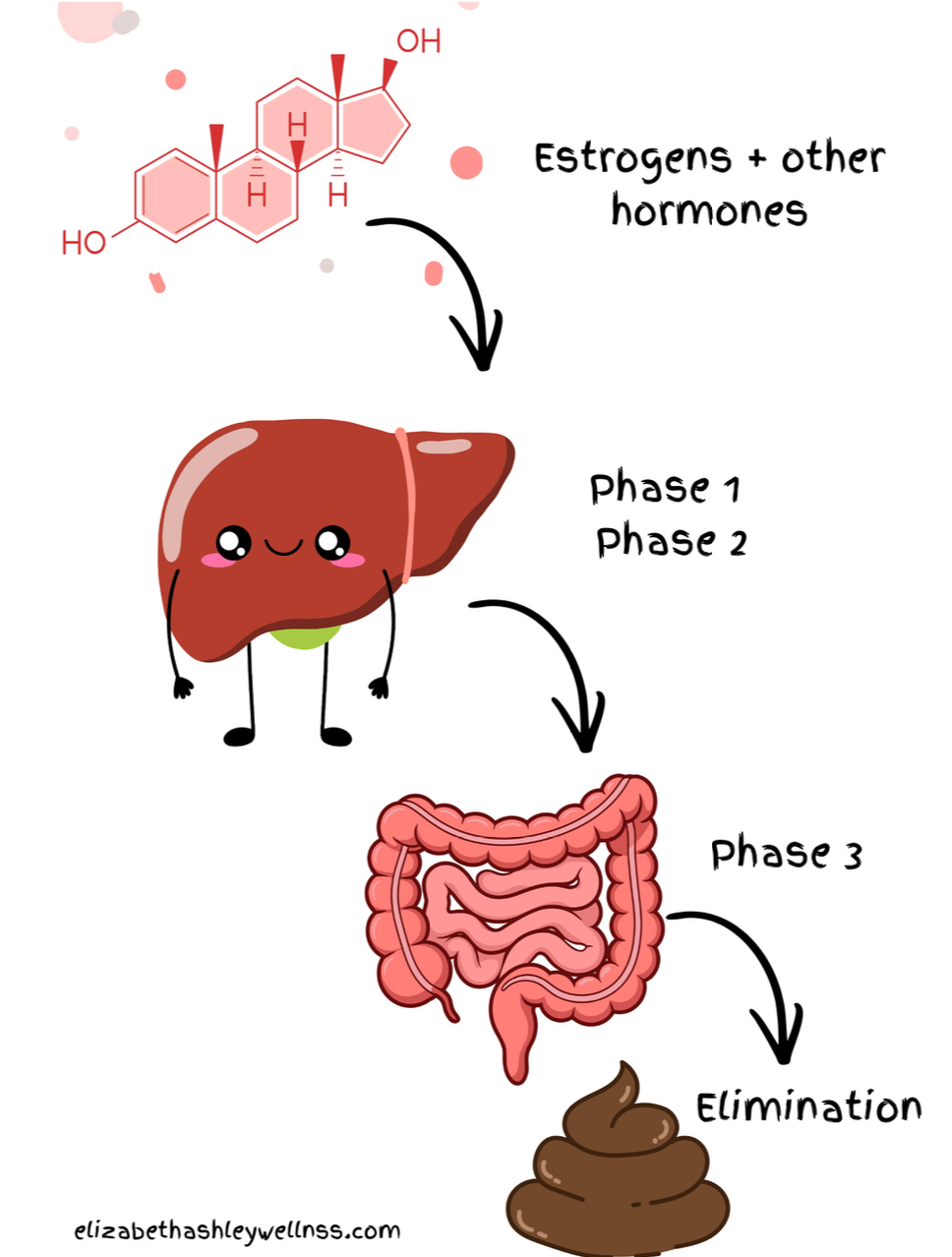
Detoxification and elimination of waste and toxins, excess hormones and byproducts of metabolism.
Supporting the immune system (about 70% of your immune system lives in the gut!) (Mowat & Agace, 2014).
Maintaining a healthy microbiome (a community of organisms like bacteria that influence your health) (Valdes et al., 2018).
Synthesizing key vitamins (like certain B vitamins and vitamin K).
Regulating inflammation throughout the body.
When the gut is not functioning optimally, symptoms can show up anywhere—not just in the digestive tract. By focusing on healing a client’s gut I’ve also seen healing take place in other areas of the body.
For example:
Chronic skin conditions like acne, rashes and eczema clear up.
Effortless weight loss happens.
Those struggling with painful periods have found relief.
Fatigue and brain fog improve.
Anxiety, low mood and sleep problems get better.
Experience less frequent colds and reduced seasonal allergies.
Sugar cravings reduce, and an overall healthier relationship to food forms.
Conventional Stool Testing vs. the GI-MAP: What’s the Difference?
Conventional stool testing in a traditional medical setting is typically designed to look for acute infections like salmonella or Giardia, or diseases like Crohn’s/Collitis. Conventional testing will also rule out major pathology (parasites, blood in stool, severe inflammation).
This approach is valuable—but it often misses why someone feels unwell when there’s no obvious disease present. This is especially true when a client is told they have Irritable Bowel Disease (IBD), a blanket-term statement for a condition with an underlying root cause. Your body can be off-balanced, symptomatic and struggling prior to reaching a diseased state, and it is important to intervene sooner than later.
On the other hand, the GI-map looks at the entire gut environment. It answers the question: “How is your gut actually functioning day to day?” By understanding how your digestive system is functioning, we can uncover imbalances that may not be severe enough to be classified as disease, but are still driving your symptoms.
Your Gut Is Like a Garden
I like to explain gut health using the analogy of a garden.
In a healthy garden, you need:
Nutrient-rich soil
Adequate sunlight
Water
Balance
It’s normal to have a few weeds or bugs here and there. That alone doesn’t ruin the garden.
But when the environment is off—poor soil quality, lack of nutrients, too much stress, not enough sunlight or rain—the healthy plants struggle to grow, and the weeds begin to take over.
Your gut works the same way. It’s okay to have small amounts of the “bad bugs” present, but problems arise when the environment allows these harmful or opportunistic organisms to dominate and take over.
The GI-MAP helps us understand the condition of the “soil.”
What Does the GI-MAP Test Actually Show?

Photo taking from a Sample GI-Map report.
The GI-MAP is a comprehensive DNA-based stool test that gives us detailed insight into several key areas:
1. Commensal (Beneficial) Bacteria
When most people hear the word bacteria, they immediately think infection, illness, or something that needs to be eliminated. But the truth is, your body is home to trillions of bacteria—and many of them are not only harmless, they're essential for your health.
These beneficial bacteria, known as commensal bacteria, work with your body to support digestion, regulate the immune system, protect against harmful microbes, and help maintain a healthy gut lining (Belkaid & Hand, 2014).
Examples include:
Akkermansia muciniphila – supports gut lining integrity and metabolic health
Bifidobacterium species – important for immune regulation and digestion
Lactobacillus species – supports digestion and gut barrier function
Think of these beneficial bacteria as the healthy plants in your garden. The more abundant and diverse they are, the harder it is for weeds to take over. Our goal isn't to eliminate all bacteria—it's to cultivate a thriving ecosystem where the beneficial organisms can flourish.
2. Pathogens
Unlike beneficial bacteria that help your gut thrive, pathogens are organisms that don't belong in a healthy gut and can directly contribute to symptoms.
These may include certain bacteria, parasites, viruses, or other microbes that disrupt the balance of your gut ecosystem.
Going back to our garden analogy, pathogens are like destructive pests. Rather than simply competing with your healthy plants, they can damage the garden itself, making it difficult for everything else to grow and flourish.
The GI-MAP helps us identify exactly what's present so we can create a targeted plan based on your results—instead of guessing with random supplements or protocols.
Examples include:
Helicobacter pylori (H. pylori)
Clostridioides difficile (C. diff)
Giardia lamblia
Entamoeba histolytica
(Your recommendations will always depend on the organism identified and the overall clinical picture.)
3. Opportunistic Bacteria
Unlike pathogens, opportunistic bacteria aren't always harmful. In fact, many of them can exist in small amounts without causing any problems.
The issue arises when the environment in the gut becomes imbalanced. When beneficial bacteria are depleted, digestion is compromised, stress is high, or the immune system is under strain, these organisms can begin to overgrow and contribute to symptoms.
Going back to our garden analogy, opportunistic bacteria are like weeds. Every healthy garden has a few weeds—but when the soil is unhealthy or the garden isn't well cared for, those weeds begin to spread and crowd out the healthy plants.
The goal isn't necessarily to eliminate every weed. It's to restore a healthy environment where the beneficial bacteria can thrive and naturally keep these organisms in balance.
Common examples include:
Streptococcus species
Staphylococcus species
Klebsiella species
Citrobacter species
Morganella species
Pseudomonas species
When these bacteria become overabundant, they may contribute to inflammation, digestive discomfort, immune activation, histamine-related symptoms, or changes in bowel habits.
4. Intestinal Health & Digestion Markers
Having a healthy gut isn't just about who is living there—it's also about how well your digestive system is functioning.
The GI-MAP measures several markers that help us understand whether your body is properly breaking down food, absorbing nutrients, maintaining a healthy gut lining, and eliminating waste efficiently.
These include:
Steatocrit – helps evaluate how well you're digesting and absorbing fats.
Pancreatic Elastase – measures pancreatic enzyme output, which is essential for breaking down proteins, fats, and carbohydrates.
Markers of inflammation – help identify whether inflammation may be contributing to digestive symptoms.
Gut barrier and immune markers – provide insight into the health of your intestinal lining and how your gut's immune system is functioning (Turner, 2009).
Beta-glucuronidase – helps us understand how well your body is eliminating toxins and hormones, including excess estrogen. Elevated levels may contribute to the reabsorption of substances that are meant to leave the body and can be an important piece of the puzzle for those struggling with hormone imbalances (Kwa et al., 2016).
Going back to our garden analogy, imagine you've planted beautiful flowers in rich, healthy soil.
Even with the healthiest plants, the garden won't thrive if the irrigation system isn't working, the roots can't absorb water and nutrients, or the drainage is poor.
Your digestive system works much the same way.
You can eat the healthiest diet in the world, but if you're not properly digesting, absorbing, and eliminating, your body may struggle to access the nutrients it needs or effectively remove what it no longer needs.
These markers help us determine whether symptoms may be related to poor digestion, malabsorption, inflammation, impaired gut barrier function, or inefficient detoxification—allowing us to address the underlying issue rather than simply managing symptoms.
A couple of examples of what these markers can reveal:
Low pancreatic elastase may indicate that your pancreas isn't producing enough digestive enzymes, making it difficult to properly digest proteins, fats, and carbohydrates (Löser et al., 1996).
Elevated steatocrit can suggest fat malabsorption, meaning you're not fully absorbing healthy fats and fat-soluble vitamins like vitamins A, D, E, and K.
Elevated calprotectin may indicate inflammation in the digestive tract that warrants further investigation.
Low secretory IgA can suggest reduced immune protection within the gut, while elevated levels may indicate ongoing immune activation.

Photo taking from a Sample GI-Map report.
5. H. pylori, Virulence Factors & Antibiotic Resistance
One of the unique features of the GI-MAP is that it doesn't simply tell us whether H. pylori is detected—it helps us understand how significant it may be.
H. pylori is a bacterium that can live in the stomach. While it has been associated with conditions like reflux, ulcers, gastritis, and impaired digestion, not everyone with H. pylori experiences symptoms.
That's why context matters.
The GI-MAP evaluates:
Virulence factors – genes that indicate whether a particular strain is more likely to damage the stomach lining or contribute to symptoms (Kusters et al., 2006).
Antibiotic resistance genes – which can help determine whether certain antibiotics may or may not be effective if treatment is necessary.
Going back to our garden analogy, finding H. pylori is a little like spotting an insect in your garden. Not every insect is harmful, and not every one requires aggressive treatment. What matters is what kind of insect it is, how much damage it's causing, and whether it's disrupting the overall health of the garden.
This additional information allows us to take a more personalized and thoughtful approach, rather than assuming every case of H. pylori should be approached the same way.
How Do You Do the Test?
The GI-MAP is a non-invasive, simple stool collection that is done at home and then mailed back to the lab. I walk my clients through the process step by step, and once results are in, we review them together in detail.
Is a GI-MAP Right for You?
If you’re dealing with unexplained symptoms, digestive issues, or you’ve been told “everything looks fine” but you don’t feel fine, the GI-MAP can provide clarity. It’s not about finding something “wrong”—it’s about understanding what your body needs to function optimally.
If you’re interested in running a GI-MAP or want to learn more about whether it’s the right next step for you, I’d love to support you!
References:
Belkaid, Y., & Hand, T. W. (2014). Role of the microbiota in immunity and inflammation. Cell, 157(1), 121–141. https://doi.org/10.1016/j.cell.2014.03.011
Cryan, J. F., O'Riordan, K. J., Cowan, C. S. M., Sandhu, K. V., Bastiaanssen, T. F. S., Boehme, M., Codagnone, M. G., Cussotto, S., Fulling, C., Golubeva, A. V., Guzzetta, K. E., Jaggar, M., Long-Smith, C. M., Lyte, J. M., Martin, J. A., Molinero-Perez, A., Moloney, G. M., Morelli, E., Morillas, E., ... Dinan, T. G. (2019). The microbiota-gut-brain axis. Physiological Reviews, 99(4), 1877–2013. https://doi.org/10.1152/physrev.00018.2018
Kwa, M., Plottel, C. S., Blaser, M. J., & Adams, S. (2016). The intestinal microbiome and estrogen receptor-positive female breast cancer. JNCI: Journal of the National Cancer Institute, 108(8). https://doi.org/10.1093/jnci/djw029
Kusters, J. G., van Vliet, A. H. M., & Kuipers, E. J. (2006). Pathogenesis of Helicobacter pylori infection. Clinical Microbiology Reviews, 19(3), 449–490. https://doi.org/10.1128/CMR.00054-05
Löser, C., Möllgaard, A., & Fölsch, U. R. (1996). Faecal elastase 1: A novel, highly sensitive, and specific tubeless pancreatic function test. Gut, 39(4), 580–586. https://doi.org/10.1136/gut.39.4.580
Mowat, A. M., & Agace, W. W. (2014). Regional specialization within the intestinal immune system. Nature Reviews Immunology, 14(10), 667–685. https://doi.org/10.1038/nri3738
Turner, J. R. (2009). Intestinal mucosal barrier function in health and disease. Nature Reviews Immunology, 9(11), 799–809. https://doi.org/10.1038/nri2653
Valdes, A. M., Walter, J., Segal, E., & Spector, T. D. (2018). Role of the gut microbiota in nutrition and health. BMJ, 361, k2179. https://doi.org/10.1136/bmj.k2179


Comments